
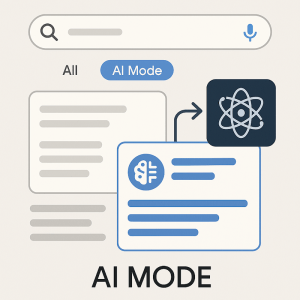
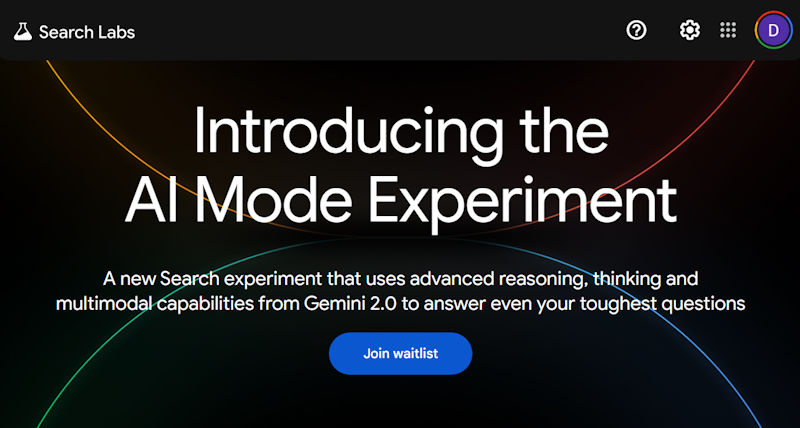
Google’s Search team is testing a new feature known as “AI Mode,” which represents a significant transformation in how internet search results are generated, displayed, and consumed. Unlike the traditional approach that simply lists website links, AI Mode provides direct, AI-generated answers to user queries. This new mode of search will be accessible through a new dedicated tab on the search page and is powered by Google’s Gemini 2.0 AI model, which provides advanced reasoning and multimodal capabilities, including processing of text, images, and potentially video.
This early rollout will initially be limited to Google One AI Premium subscribers and a select group of testers in the United States, with broader public access anticipated in the coming months. The overarching goal of AI Mode is to significantly enhance search efficiency by delivering concise, AI-curated responses, integrating real-time shopping and contextual data, and supporting dynamic, conversational follow-up interactions. While the promise of a more streamlined and intelligent search experience is compelling, it also introduces serious concerns around reduced web traffic, potential information inaccuracies, and challenges to the monetization models of digital content creators.
A Fundamental Shift in Web Search
Google’s long-standing dominance in search has relied on an established model of ranking and linking to external web pages. Now, with AI-generated responses at the forefront, the company is exploring a more interactive and context-aware approach that could radically reshape how people engage with search engines. This evolution underscores a broader move toward AI-native interfaces that prioritize synthesis over curation.
Key aspects of AI Mode include:
- Direct AI-generated answers to queries, eliminating the need for link-clicking in many cases.
- Tight integration with contextual and shopping data, making commercial interactions more frictionless.
- Full multimodal support, allowing the AI to understand and generate responses that incorporate various data formats.
- Smart fallback to traditional search listings when AI confidence levels are low, maintaining a safety net of familiar functionality.
While this AI-first approach offers the prospect of faster and more nuanced information access, it presents deep implications for the broader web ecosystem. Specifically, there’s concern about diminishing referral traffic to websites, declining ad revenues, and a potential erosion of recognition for content creators whose work fuels the AI’s responses.
See Google’s Primer on AI Mode
To get a hands-on look at how Google is presenting this new feature, users can visit the Google Labs website at https://labs.google.com/search, where experimental tools and previews of AI Mode are showcased. Or you can read the Google blog post announcement.
Potential Benefits of AI Mode
For end-users, AI Mode brings an array of compelling advantages that could redefine the online search experience:
- Faster Information Retrieval: Instead of combing through numerous pages, users can receive comprehensive answers immediately.
- Conversational and Adaptive Responses: AI Mode enables users to ask follow-up questions, refining and expanding results in real time.
- Enhanced Shopping Experience: By integrating live shopping data, users can get personalized product suggestions and up-to-date pricing without hopping across different e-commerce platforms.
- Support for Complex Queries: Google’s Gemini 2.0 model is engineered to handle multi-step reasoning and synthesize data across varied sources, making it a valuable tool for in-depth research and nuanced inquiries.
- Greater Accessibility: For those who find navigating dense web pages cumbersome, AI Mode simplifies the interaction by focusing on concise, user-specific answers.
These benefits suggest a more intuitive and efficient method of online discovery, potentially improving user satisfaction and reducing the time spent finding relevant content.
Impact on Website Traffic and Online Publishers
Perhaps the most controversial aspect of AI Mode is its effect on web traffic and content visibility. Google’s search engine currently drives enormous volumes of traffic to websites across industries. With AI Mode offering complete answers within the Google interface, the incentive for users to click through to original sources may diminish, triggering a cascade of consequences.
Potential challenges include:
- Decreased Visibility for Smaller Sites: Independent creators and niche websites may struggle to gain traffic if AI Mode answers user questions without directing them to the source.
- Decline in Ad Revenue: Many publishers rely heavily on ad impressions and click-throughs. A reduction in traffic may directly impact their monetization.
- Intellectual Property and Attribution: AI-generated content derived from multiple sources can dilute recognition for original authors, raising ethical and legal questions.
Google has noted that AI Mode is designed to show direct responses only when it is confident in the accuracy of the information. In less certain cases, traditional link-based search results will be displayed. Nonetheless, publishers remain skeptical about how this will unfold at scale and whether mechanisms for fair content attribution and compensation will be introduced.
Ensuring Accuracy and Reducing Bias in AI Responses
AI-generated content carries inherent risks, particularly around the accuracy, bias, and transparency of responses. While Google’s AI is built on vast data sets and refined through rigorous training, challenges persist:
- Factual Errors: Even advanced AI can produce incorrect or misleading answers, particularly on nuanced or controversial topics.
- Bias Propagation: AI models can unintentionally reinforce societal or data-driven biases present in their training data.
- Opaque Information Sources: Unlike traditional search that surfaces URLs and snippets, AI Mode may obscure the origin of the data, complicating source verification.
To maintain user trust, Google must implement robust safeguards—such as citation systems, user feedback loops, and human-in-the-loop moderation—to ensure that AI Mode outputs are not only informative but also responsible and verifiable.
A Glimpse Into the Future of Digital Search
The introduction of AI Mode signals a broader evolution in digital search. If successful, this could accelerate the shift toward AI-driven content delivery across the web, prompting competitors to respond with their own innovations.
Trends likely to emerge include:
- More Competitors Offering AI-Enhanced Search: Platforms like Bing, DuckDuckGo, and even niche search engines may adopt similar AI models to remain competitive.
- Reinvention of SEO and Content Strategy: With AI-generated summaries potentially replacing traditional snippets, website owners may need new strategies to remain visible.
- Evolution of Online Advertising: As fewer users click on ads embedded in traditional pages, advertisers and platforms will need to find creative new engagement models.
This transition opens opportunities for rethinking how content is created, monetized, and discovered—but also requires vigilance to ensure that innovation doesn’t come at the cost of fairness, diversity, and quality in online information.
Navigating a New Era of Search
Google’s AI Mode represents a bold step toward reshaping the digital information landscape. By embedding AI directly into the search interface, the company aims to make information retrieval faster, more personalized, and more conversational. But this shift also introduces fundamental challenges to the current web model—impacting publishers, businesses, and users alike.
✅ Key benefits of AI Mode:
- Streamlined, intelligent search responses.
- Enhanced personalization and interactivity.
- Integrated access to commercial and real-time data.
⚠️ Key risks and challenges:
- Potential erosion of traffic to independent websites.
- Issues of content attribution and ownership.
- Risk of misinformation and diminished transparency.
As Google continues its phased rollout, the digital world watches closely. Success will depend not just on AI’s ability to deliver smart answers, but on Google’s willingness to collaborate with content creators, respect data provenance, and design systems that ensure a balanced and equitable online ecosystem.
[mailerlite_form form_id=3]
 Sapiens Forward